Contributed by Mahir Tajwar, GSA Graduate Student Research Grant Recipient
Light pollution is commonly recognized for its impact on urban landscapes, where the glow of city skylines obscures the night sky and diminishes the visibility of stars. However, the consequences of artificial lighting extend far beyond human perception, influencing ecological processes in ways that are only beginning to be understood. Artificial Light at Night (ALAN) has been extensively studied in terrestrial environments, where it has been shown to alter plant growth patterns, disrupt the behavior and migration of nocturnal animals, and interfere with human circadian rhythms, leading to potential health implications. Despite these well-documented effects on land-based ecosystems, the influence of ALAN on freshwater environments remains an emerging area of research. Lakes, rivers, and wetlands operate under natural diel cycles of light and darkness, which regulate critical biological and chemical processes such as primary production, respiration, and nutrient cycling. The introduction of artificial lighting into these ecosystems may cause fundamental shifts in their metabolic balance by extending photoperiods, altering oxygen dynamics, and influencing microbial and phytoplankton activity. Given the vital role that freshwater systems play in global biogeochemical cycles and as habitats for diverse aquatic life, it is essential to investigate how ALAN may be contributing to ecological changes that could have long-term consequences for both water quality and ecosystem stability.
Why Study ALAN in Lakes?
Aquatic ecosystems are highly sensitive to changes in natural light availability, as diel (day-night) cycles regulate fundamental biological and chemical processes, including oxygen production, respiration, and nutrient cycling. The introduction of artificial lighting into these environments could have far-reaching consequences, potentially altering the metabolic balance of lakes and affecting the broader ecological stability of freshwater systems.
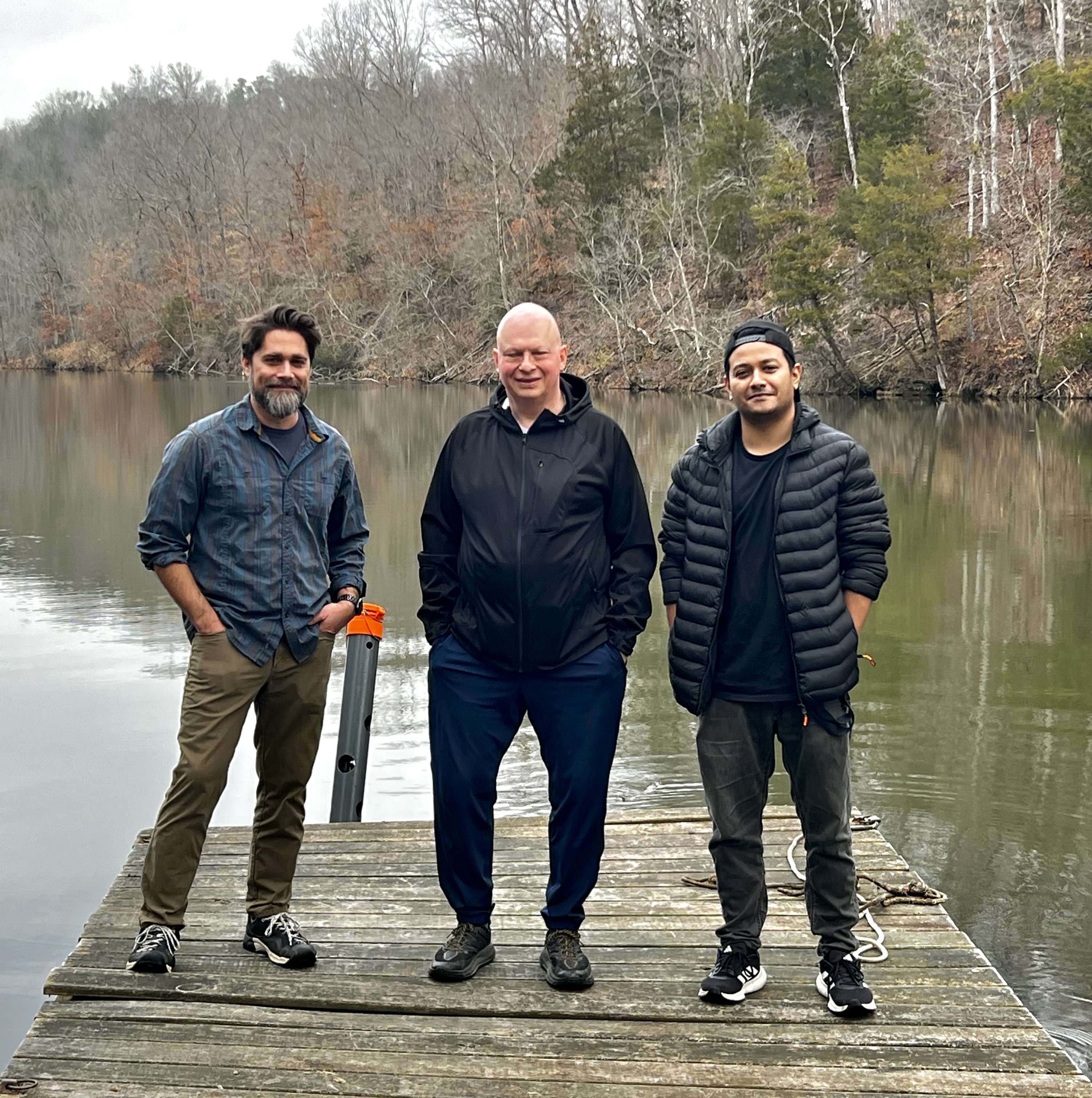
My research at Vanderbilt University aims to address this knowledge gap by investigating how ALAN influences lake metabolism—the delicate equilibrium between oxygen production through photosynthesis and oxygen consumption through respiration. Stephens Lake, a headwater lake in Tennessee, serves as the study site for this research. This lake provides an ideal setting for controlled field experiments due to its relatively low anthropogenic influence, allowing for a clear assessment of how artificial lighting affects natural ecosystem processes. To evaluate these effects, we have designed an experimental setup in which artificial light stations are installed at specific locations around the lake. These stations emit different wavelengths of light, specifically red and blue, mimicking the types of artificial lighting commonly found in urban environments. By comparing the oxygen and carbon cycling in illuminated areas with that of unlit control sites, we aim to determine whether ALAN disrupts the natural metabolic processes of lakes, including shifts in photosynthesis rates, respiration dynamics, and overall ecosystem productivity.
For the rest of Mahir’s story, read his article in the June issue of GSA Today, page 32!
 Speaking of Geoscience