By Joshua F. Martin, GSA Science Policy Fellow
Geoscience research is essential to understanding and developing solutions to many of the critical issues that we face in modern society, including climate change, clean energy, water and mineral resources, and resilience to natural hazards. Why, then, do entrepreneurial enterprises in these areas lack a strong representation of geoscientists? The Geological Society of America (GSA) is collecting input to answer this question and ideas to encourage innovation and entrepreneurship in the geoscience community to more effectively contribute solutions to these challenges.
To learn more about the challenges and benefits of innovation and entrepreneurship in the geosciences, I reached out to Barbara Ransom and Mark Little and asked them both five questions about geoinnovation. Barbara is a program director for the National Science Foundation (NSF), working within the Geosciences Division of Research, Innovation, Synergies, and Education (RISE). Mark is the immediate past president of GSA and the executive director of NCGrowth at the University of North Carolina at Chapel Hill, a center that works to help businesses create jobs and equitable opportunities through research and policy.
1. What is your experience with entrepreneurship, particularly as it relates to the geosciences?
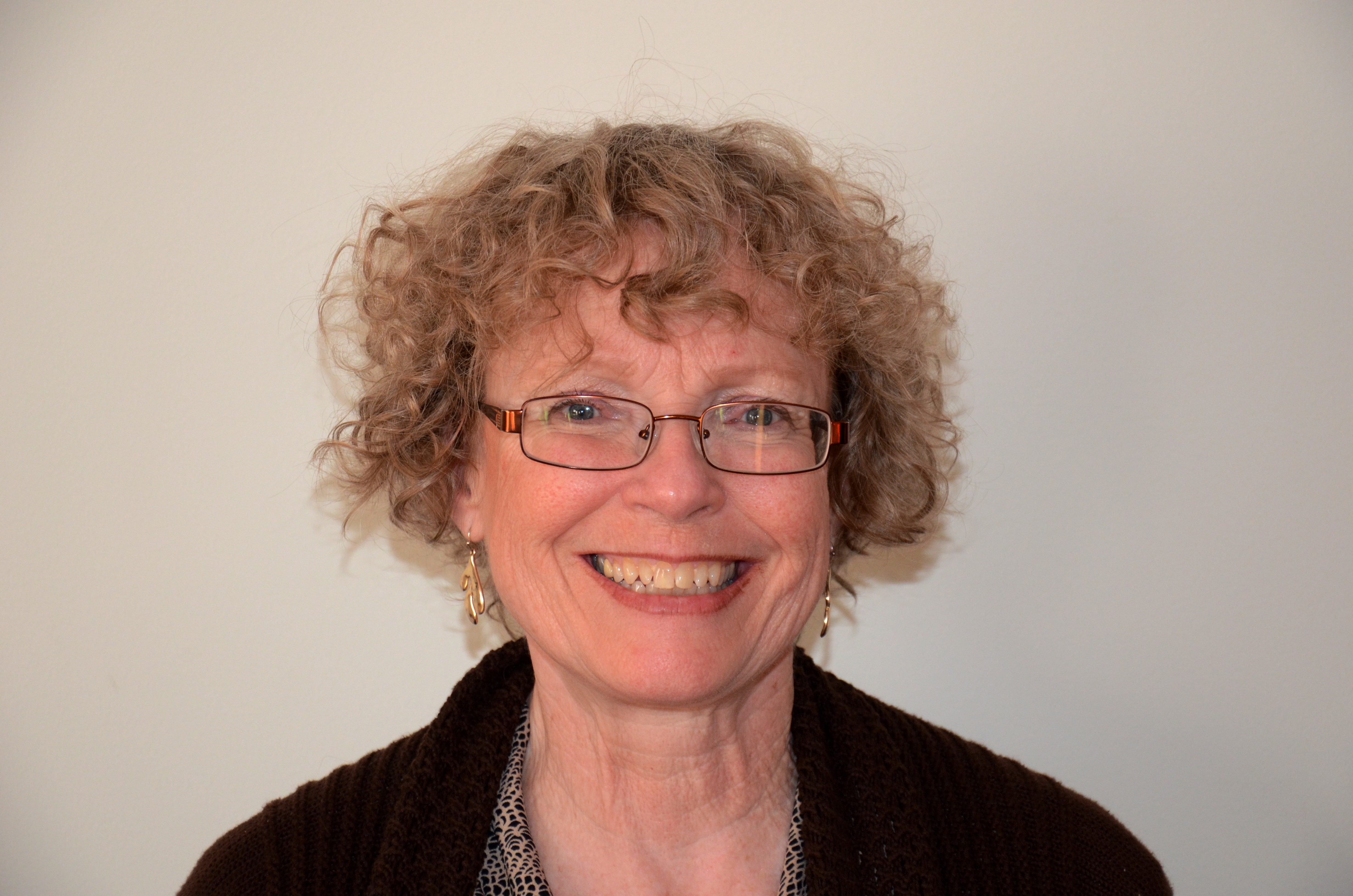
Barbara Ransom: I was a soft money researcher for over a decade at the Scripps Institution of Oceanography. Being on soft money is quite entrepreneurial because you are always scanning the landscape looking for funding. At NSF, I volunteered to help a colleague in the Engineering Directorate in the Industry-University Cooperative Research (ICURC) Program, and I learned about the dynamics and oversight of university faculty-industry interactions and innovation. In the entrepreneur/start-up space, the word “innovation” does not mean “creative” like we use it in academia. It means taking an idea to market! When I moved to the NSF/GEO front office in 2019, I realized that, while everyone in engineering seems to work closely with industry doing discovery-based science, virtually no geology faculty do. I set out to change that and created the GEO Innovation Hub that is now in the new GEO/RISE Division. The GEO iHub has been working ever since to increase understanding in the geoscience community of innovation and use-inspired basic research and funding opportunities for both. It also focuses on how to build effective and fruitful faculty-industry collaborations and how to present more geoscience findings to society and the economy. It has become my passion.
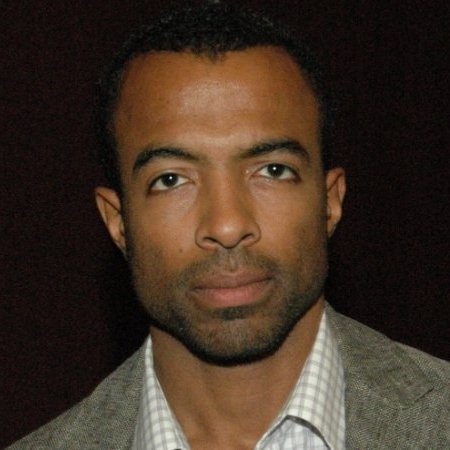
Mark Little: Very personally, after graduate school and the Congressional Science Policy Fellowship, I was involved in a geo-related start-up. The project was exploring how to develop a market for onshore natural gas. After that start-up didn’t work out, I shifted to working on economic development and entrepreneurship within my community.
2. What successes have you seen in geoscience innovation, and what tools were needed to achieve those successes?
BR: I see a lot of geoinnovation activity in the ocean space, especially around biomass carbon sequestration and in the application of drones and satellites to all kinds of earth imaging and time series analysis of land surface evolution, especially related to human activity. There’s more and more AI, machine learning (ML), and analytics coming to the fore to tackle the problems of big geo data and disparate datasets that need to be woven together to address big problems, especially in the minerals and climate space. With the exception of the ocean carbon arena, computer scientists, physicists, and mathematicians seem to be leading the charge, not geoscientists. It is my view that if geoscience grads don’t have some programming and modeling skills and at least understand how AI and ML work, we are doing them a disservice as remote sensing and data crunching are becoming the “go-to” tools of modern geoscience. Our field must change with the times. In terms of tools for the mind, you want to know how to move your discovery to market? Just look at LinkedIn and see what Accelerators and Incubators (i.e., organizations that help, mentor, and provide resources to those with ideas or discoveries learn how to create a viable start-up) do. Most major universities have one or both of these associated with their campus. I strongly feel that a lot of why geoscientists are not founding start-ups is that they just have no clue how to do it or how others have done it, or feel they can do it all alone. A successful startup requires a team of people. People who know not just the technical stuff, but people who know (and love) marketing, communications, and business. It’s not so hard. You just have to go out and talk to people (meaning not just geo people).
ML: For the geosciences, there are a couple things that you have that you can use. You have knowledge, you have technical skills, and you also have the way you think about things and observe things. If we look at Wind Energy, we’ve had to solve issues and innovate new ways to store energy. In carbon storage, there are basalts that can react with CO2 and draw it out of the atmosphere, or serpentinites that can be used to produce hydrogen. These are innovations important to industry that are very rooted in geoscience. This is where geoscientists can apply their knowledge. In my career, the important tools we can use are applying the tools and scripts that you create for small things in research projects to larger projects. We develop scripts and procedures and tools…The next step is to ask, “Who else can use this thing?” Finally, innovation isn’t necessarily thinking, “what’s the solution?” but rather, “what’s the need?” This is where geoscientists can apply their ability to identify problems.
3. What kind of training, skills, or experience do you feel geoscientists need to succeed in business?
BR: First, we need exposure, at the freshman geo-major level and at the graduate level, to the concepts of entrepreneurship and the vehicles that are out there that help you take your idea, discovery, or new process to market. Geoscientists need to do more talking to engineers, business majors, and social scientists. The latter are those who know how people, like customers, think and make decisions. Many entrepreneur training programs and curricula are out there, we just need to start to include them in our geoscience student training. With all the money out there in climate tech, clean energy, critical minerals, environmental remediation, water, hazard mitigation, we need to showcase our ideas, solutions, and new tools and approaches.
ML: It’s gonna vary, right? You don’t always have to be the person with the idea to contribute, and thinking that way can often be restricting. For others, it depends on, “Who do I partner with? Who can be a part of this thing that I’m trying to build?” It depends on what you want to do. If you want to be involved, basic knowledge about business is beneficial, but so is knowledge on how other businesses operate to figure out how your product fits in. Talking to other people can help identify how your idea or product fits in and that can help a lot. In doing that, you may find another avenue to participate.
4. How can input from members of the geoscience community help direct the future of entrepreneurship and innovation in the field, and lift the barriers to these skills and experiences?
BR: We have to know what is preventing university faculty and young people entering our field from making the jump to becoming geo-entrepreneurs. Is it that they don’t have any real and accessible role models to look up to like they do in engineering departments or business schools? Is it that the geo curriculum is more focused on teaching the minutia of every subdiscipline of geoscience without linking it to other disciplines to solve important multidisciplinary problems? Is it that people are unaware of the funding opportunities out there to help transition ideas to market? There are tons if you know what they are. Is it the belief that federal agencies that provide money for university geo research just don’t fund use-inspired work or someone working with companies? Is it that, unlike in engineering, geoscience departmental criteria for promotion and tenure don’t take into account working with industry or founding a company or training students for promotion and tenure and, perhaps, penalizing those that do? That is what NSF/GEO is trying to find out. It could be anything, or all, or none of the above. We’re looking to those out in the field, in the trenches, graduating with geoscience degrees, in industry, and in the nonprofit space to tell us what’s up so we can figure out how we can change the dynamic and have geoscientists take their rightful place as leaders in all the new opportunities and solutions the world needs to build a resilient planet.
ML: NSF and other federal funding agencies are interested in discovery and new knowledge, but also solutions that can have a more immediate impact on people. NSF is interested in how we can place geoscientists in that space. Engineering is all about solving problems that affect society, [and] medicine is a little closer, working on solutions that impact people as well, but the natural sciences are usually a step further away. The hope of all this is that information provided by geoscientists will help NSF direct funding for the future.
5. Why is driving innovation and entrepreneurship in geoscience forward important now?
BR: We are in a once-in-three-generations flood of money that is focused on the things geoscientists work on and think about. BUT we are NOT the ones leading the charge in terms of founding companies and moving things to market. I am on LinkedIn a lot, and I see who’s founding companies in geo topical areas and the founders are NOT geoscientists. That needs to change. Our absence minimizes our field’s visibility and impact, not only in the eyes of the public, but in the eyes of other fields. We CAN lead in all these environmentally related areas; we just need to learn how to do it. We need to learn how to build effective cross-disciplinary teams, develop an entrepreneurial mindset, and find [ways] to solve some of the big, crazy, and complex problems our world is facing.
ML: I’ll say I think the easiest answer to that is that the world is inundated with challenges and questions that geoscientists have been investigating for years. Challenges like, “How do we improve warning systems and all sorts of things related to hazards?” There’s also the recognition all around the world that burning fossil fuels will need to eventually stop. The solutions will require mineral resources and knowledge rooted in the earth sciences. In some ways, to address these issues, it should’ve been happening for some time now, but hopefully better late than never.
One of the things natural scientists aren’t trained in is identifying something that we’ve done as an innovation. The challenge for many earth scientists is going to be thinking back to what they’ve done and pulling out the pieces that are useful. That’s why talking to other people about what you’ve done is so important. Who knows what others will find useful? As people are responding to this survey, be generous to yourself and what you have to offer. The point is to begin the process of thinking about what the solutions, skills, and problems are.
Contribute your responses to four pivotal questions about geoinnovation and entrepreneurship and be entered to win a $50 Visa gift card. Submissions accepted until 31 October, midnight MDT. To learn more about this initiative and contribute responses, click here.

